Portable DC chargers have become essential in our fast-paced, mobile world. As per the Global Market Insights report, the portable power bank market is projected to exceed $10 billion by 2025. However, many users overlook the importance of maintenance. Ensuring these devices perform optimally requires a clear understanding of how to maintain portable DC chargers.
A well-maintained charger not only extends the lifespan of the device but also enhances charging efficiency. For instance, the Battery University states that improper care can reduce a battery's lifespan by up to 40%. Users often neglect factors such as temperature, storage, and charging cycles. Addressing these basic aspects can prevent costly replacements and promote long-term usability.
Frequent users may notice their chargers deteriorating faster than expected. This decline often stems from simple usage errors. Important practices include maintaining ideal environmental conditions and regular cleaning. Understanding how to maintain portable DC chargers will ultimately empower users to make informed decisions, ensuring their investments continue to serve them effectively.
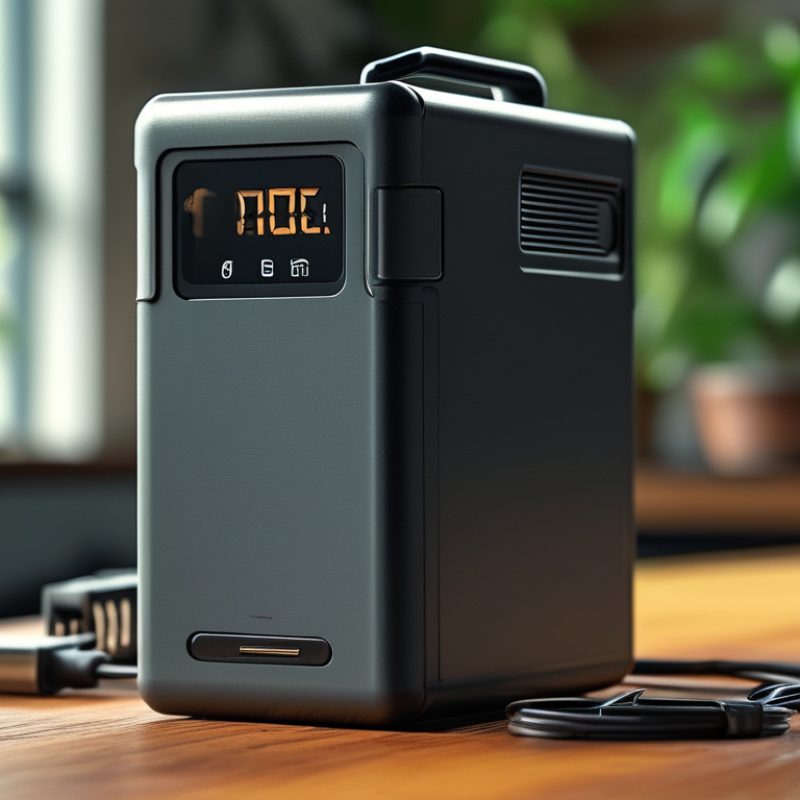
Understanding the Basics of Portable DC Chargers: Technology and Types
Portable DC chargers have become essential in our tech-driven lives. They come in various types, including lithium-ion and lead-acid. Lithium-ion chargers are lighter and more efficient, making them a popular choice. According to the International Energy Agency, the global use of portable chargers has surged. In 2022, it was reported that over 300 million units were sold worldwide, highlighting their growing importance.
Understanding how these technologies work can enhance their longevity. Battery health is often affected by factors like temperature and usage cycles. A recent study indicated that battery life can be halved when devices are exposed to extreme heat regularly. Additionally, many manufacturers recommend maintaining a charge between 20% and 80% for optimal performance. Ignoring these guidelines can lead to accelerated wear.
The types of portable DC chargers vary widely. Some are designed for quick charging, while others offer a gradual and steady power flow. Users need to evaluate their needs, as not all chargers are created equal. A mismatch can lead to inefficient charging and even potential damage. Staying informed about these aspects can help users make better choices.
Best Practices for Charging and Discharging Cycles to Extend Battery Life
Maintaining the longevity of portable DC chargers hinges on understanding the intricacies of charging and discharging cycles. Regular charging at optimal levels is pivotal. The ideal state-of-charge (SoC) for lithium-ion batteries is between 20% and 80%. Keeping batteries within this range can enhance their lifespan by up to 50%. A report by the Battery University highlights that charging a battery to its full capacity often reduces its longevity due to increased heat generation during prolonged charging periods.
Discharging practices are equally critical. Avoid deep discharges, letting your battery drop below 20%. This can lead to battery degradation and reduce capacity over time. Instead, aim for frequent, shallow discharges. Research indicates that discharging to around 30% before recharging can significantly improve battery health. Additionally, maintaining stable temperatures during use can mitigate wear on battery cells. High temperatures can cause chemical reactions that impair battery efficiency.
Many users overlook battery cycles, which can be counterproductive. A battery cycle consists of a full discharge followed by a full charge. Limiting complete cycles can help maximize the number of effective charges a battery can undergo. Relying on partial charging—like topping off after short uses—can be beneficial. However, vigilance is needed to avoid the pitfalls of forgetfulness, which might lead to irregular charging habits.
Battery Charging and Discharging Cycles for Portable DC Chargers
Optimal Storage Conditions: Temperature and Humidity Effects on Batteries
Batteries are sensitive to their environment. Optimal storage conditions significantly impact their lifespan. Temperature and humidity must be carefully controlled to maintain battery performance. Research indicates that lithium-ion batteries, commonly found in portable DC chargers, can degrade significantly if exposed to extreme temperatures. A temperature range of 20°C to 25°C is ideal for storage. Exceeding 30°C can lead to a reduction in capacity by as much as 20% over time.
Humidity also plays a crucial role in battery health. High humidity can cause corrosion of battery terminals and internal short circuits. Keeping relative humidity below 50% is recommended. In fact, studies have shown that batteries stored in high humidity conditions can suffer a life reduction of nearly 10% compared to those kept in controlled environments.
Users often overlook these factors. Improper storage can lead to unexpected failures when batteries are needed the most. Recognizing these details can guide users to take proactive steps. Create a storage strategy that prioritizes temperature control and minimizes moisture exposure. Regularly check storage conditions and battery health to ensure reliability in your portable chargers.
Routine Maintenance: Cleaning and Inspecting for Longevity and Safety
Regular cleaning of portable DC chargers is essential for their longevity. Dust, dirt, and moisture can accumulate in the ports and surface. A gentle wipe with a microfiber cloth can remove debris. Pay special attention to the connections. If left unattended, dirt can obstruct the charging process or even damage the device.
Inspecting your charger frequently is crucial for safety and performance. Look for any signs of wear, such as frayed cables or loose connections. These issues may affect functionality. Conducting monthly checks can help identify potential problems early. If a charger shows signs of damage, consider replacing it to ensure safety during use.
Storing your charger properly also influences its lifespan. Keep it in a dry, cool place away from direct sunlight. Avoid placing heavy objects on top of it. Dropping the charger can cause internal damage, so handle it with care. Reflecting on these practices can lead to a better understanding of charger maintenance. Regular attention can make a significant difference in performance and safety.
How to Maintain Portable DC Chargers for Long Lasting Use?
| Maintenance Task |
Frequency |
Description |
Importance |
| Cleaning Ports |
Monthly |
Remove dust and debris from charging ports |
Prevents connection issues |
| Inspect Cables |
Bi-Weekly |
Check for frays, cracks, or wear |
Ensures safety and functionality |
| Battery Health Check |
Every 3 Months |
Monitor battery charge cycle and performance |
Extends battery lifespan |
| Storage Conditions |
After Use |
Store in a cool, dry place |
Prevents damage and overheating |
| Firmware Updates |
As Needed |
Update the software to the latest version |
Improves functionality and security |
Recognizing Signs of Degradation: When to Repair or Replace Your Charger
Monitoring the condition of your portable DC charger is crucial for optimal performance. One of the first signs of degradation is diminished charging capacity. If your charger begins to take longer to charge devices or fails to hold a charge, it’s time to take action. Regularly check how many cycles you’ve used your charger. Most chargers perform best within a certain range of cycles. Exceeding this can lead to performance issues.
Pay attention to physical signs too. If you notice any swelling or unusual odors, stop using the charger immediately. These are indicators of internal damage or battery failure. Inspect the charging cables for frays or breaks as well. Even minor damage can lead to significant problems down the line. When a charger shows multiple signs of wear, consider whether repair is feasible or if replacement is a safer option.
Your user experience should guide your decision-making. If a charger starts acting erratically, it might disrupt your routine. Reflect on how often you rely on that charger. A poor-performing charger can lead to frustration during critical moments. Assessing its state not only saves time but avoids greater inconveniences. Prioritize both safety and efficiency in deciding whether to keep, repair, or replace your unit.
Conclusion
Maintaining portable DC chargers is essential for ensuring their longevity and efficiency. Understanding the basics of these devices, including their technology and types, sets the groundwork for effective use. Best practices for charging and discharging cycles are crucial to extend battery life, while optimal storage conditions, such as controlling temperature and humidity, play a significant role in battery health.
Routine maintenance, including regular cleaning and inspection, can greatly enhance the longevity and safety of your charger. Additionally, it is important to recognize signs of degradation, which will help you determine when it is time to repair or replace the charger. In summary, knowing how to maintain portable DC chargers will ultimately contribute to their performance and durability over time.

 Vernon Charger