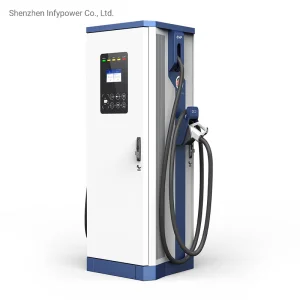
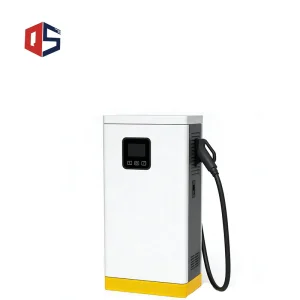
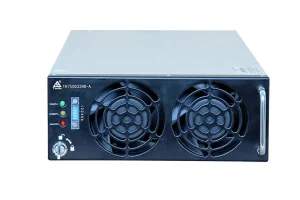
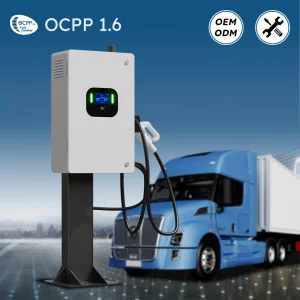
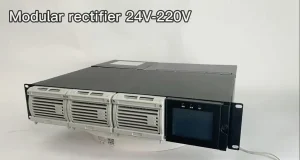
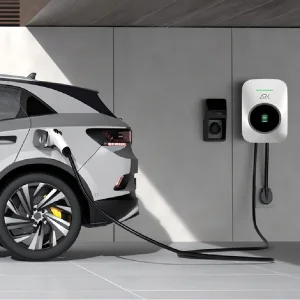
Explore our premium lineup of high-efficiency, multi-gun fast DC charging piles and smart energy converters designed for heavy industrial use cases.
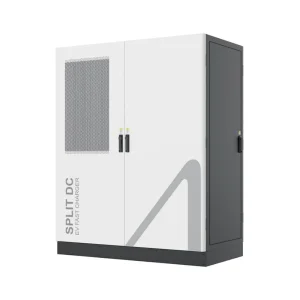
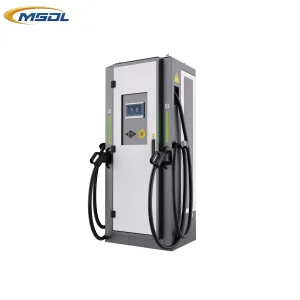
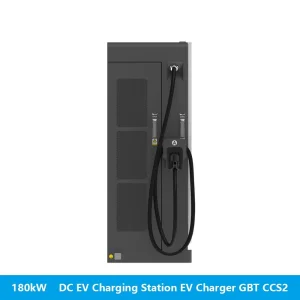
Uncompromising Quality, Dynamic Power Matrixes, and Sustainable Grid Integration
Shenzhen Vernon Charger Co., Ltd. is a pioneering manufacturer specializing in portable, wall-mounted, and ground-mounted DC EV chargers, providing comprehensive solutions for smart group charging, fleets, and public applications. The company focuses on delivering efficient, reliable, and intelligent charging systems designed to meet the diverse needs of residential, commercial, and industrial customers.
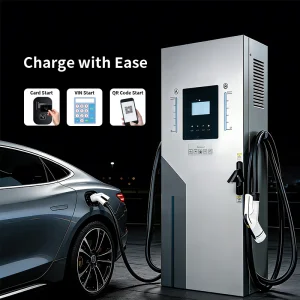
Vernon Charger’s product portfolio includes high-power DC fast chargers, portable charging units, wall-mounted and ground-mounted stations, and flexible group charging solutions. Each product incorporates advanced features such as intelligent power management, real-time monitoring, remote control, and energy optimization, ensuring safe, efficient, and user-friendly operation across multiple scenarios.
The company is committed to innovation and sustainability, integrating its DC charging systems with renewable energy sources and smart grid technologies. This enables optimized load balancing, reduced operational costs, and enhanced energy efficiency for fleet operators, public charging networks, and private users alike.
With rigorous adherence to international safety and quality standards, Shenzhen Vernon Charger Co., Ltd. has established itself as a trusted partner in the EV charging industry. By providing cutting-edge DC EV charging solutions, the company empowers clients to adopt cleaner transportation, improve operational efficiency, and contribute to a sustainable energy future.
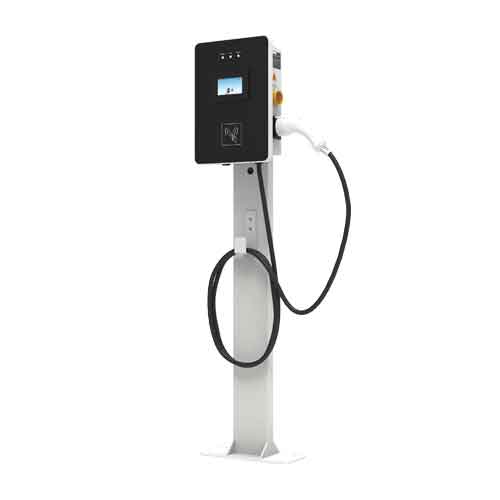
Analyzing the paradigm shift in industrial fleet management, logistics, and factory yard operations.
The global transition toward electrified commercial fleets is accelerating at an unprecedented pace. Driven by strict regulatory frameworks, corporate Environmental, Social, and Governance (ESG) mandates, and the long-term economics of Total Cost of Ownership (TCO), fleet operators and industrial manufacturers are redesigning their energy infrastructures. Operating heavy-duty trucks, regional delivery vans, or factory shuttles requires a robust energy blueprint. Standard public AC charging options cannot support the high operational cycles of commercial vehicles. This is where high-power DC fast charging emerges as the critical enabler of operational continuity.
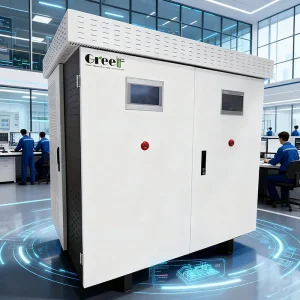
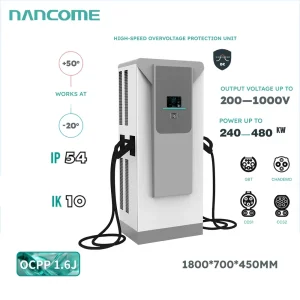
At the macro-industrial scale, charging stations are no longer standalone appliances; they are core components of site energy ecosystems. In factories and modern warehousing parks, vehicles must run continuously with minimal downtime. The integration of Vernon's split-type high-power systems (ranging up to 480kW) allows operators to deploy dynamic charging matrices. In this framework, centralized power cabinets allocate power dynamically based on the state of charge (SoC) of connected vehicles, optimizing utility grid limits and eliminating bottleneck queues at depot gates.
Furthermore, implementing smart group charging solutions enables factories to reduce demand charges, which can account for up to 50% of an electricity bill in high-capacity operations. By intelligently scheduling high-draw periods to coincide with off-peak rates, or matching load profiles directly with local on-site solar generation, companies can secure massive operational savings. The modernization of transport fleets demands chargers that are smart, adaptable, and highly resilient against continuous 24/7 duty cycles.
Optimize depot energy consumption by leveraging intelligent load distribution. Prevent grid overload fees through active peak curtailment algorithms.
Vernon's modular charger structures allow for seamless power capacity expansion without requiring complete hardware replacement as your fleet grows.
Integrated telemetry, dual-loop temperature controllers, and hot-swappable power modules ensure maximum uptime for critical transit corridors.
A regional breakdown of grid integrations, legislative directives, and hardware requirements.
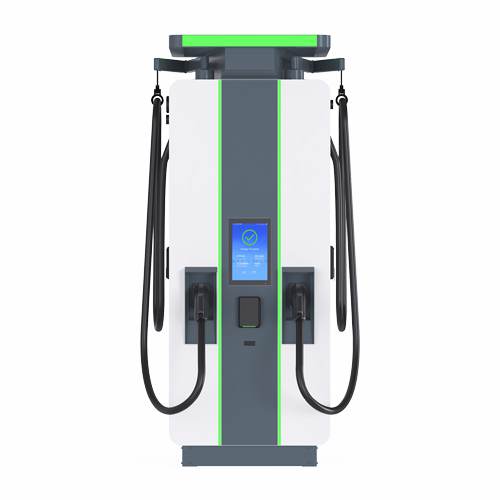
Across the globe, governments are implementing sweeping measures to transition heavy transport away from fossil fuels. In Europe, the Alternative Fuels Infrastructure Regulation (AFIR) mandates minimum total power outputs and fast-charging availability along key trans-European networks (TEN-T). In North America, the National Electric Vehicle Infrastructure (NEVI) formula program is funding corridors designed to withstand the energy draws of long-haul logistics. In the Asia-Pacific region, rapid urbanization and logistics demands have turned factories and ports into critical electrification hubs.
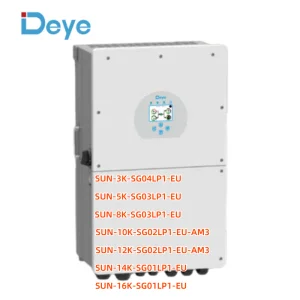
However, this rapid transition poses a primary challenge: grid capacity. Installing a multi-megawatt depot requires intensive grid coordination. In response, modern developers are incorporating hybrid systems, such as hybrid generators, rectifiers, and Deye hybrid solar inverters, to build mini-grids or microgrids. By combining high-capacity local battery storage with solar PV arrays, factories can deliver ultra-fast DC charging without demanding massive power upgrades from the local utility grid. This integrated approach ensures reliability even in locations with constrained power availability.
Adherence to CCS2 standards, EN 61851 safety parameters, and OCPP 1.6J/2.0.1 integrations is mandatory for public-access fleet networks. Vernon systems are fully CE certified for seamless European deployments.
UL certifications, CCS1 plug support, and compatibility with grid voltages like 480V 3-phase AC are critical for industrial sites in the US and Canada.
Dynamic growth in GB/T networks and the introduction of high-power liquid-cooled configurations highlight Asia's role as the powerhouse of high-performance EV charging manufacturing.
Unlocking cross-border reliability through strict engineering standards and robust local network integrations.
Global trade and multi-site factory coordination require charging hardware that complies with diverse local safety rules. Shenzhen Vernon Charger Co., Ltd. ensures its products feature advanced protection mechanisms: over-voltage, under-voltage, short-circuit, over-temperature, leakage protection, and emergency shutoff features. These are essential when working with chargers up to 480kW, where even small electrical fluctuations can lead to equipment downtime or damage.
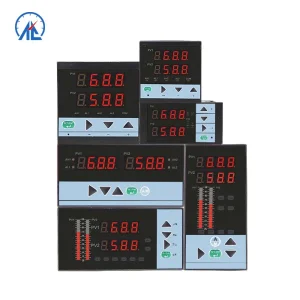
Our solutions feature dual-loop digital controllers, ensuring highly accurate temperature control and telemetry feedback. By monitoring heat levels across multiple internal components in real-time, our chargers dynamically adjust output parameters to prevent thermal runaways and keep power electronics operating within safe thresholds. These telemetry systems communicate directly with cloud-based management software via 4G, Ethernet, or RS485 connections, allowing operators to monitor charger health, update firmware, and resolve issues remotely.
Assess grid capacity, compute demand curves, and install hybrid converters or solar-storage integration to secure reliable power without utility bottlenecks.
Configure split-type cabinets, multi-gun outlets, and dual-loop temperature controllers to match specific fleet vehicle requirements (CCS2, GBT, or CCS1).
Connect stations to backend management software, configure RFIDs, billing engines, and establish automated load management systems for smart group charging.
How Vernon Charger adapts to unique industrial landscapes, ensuring reliable operation across different operational environments.
Deploy split-type charging systems at dispatch terminals. With 480kW capacity, delivery trucks can regain 80% range in less than 30 minutes, keeping operations on schedule.
Electrify terminal tractors and automated guided vehicles (AGVs) operating in factory zones. Dual-gun systems support simultaneous charging, reducing downtime.
Use hybrid generator-battery setups in mining zones and oilfields where grid access is limited, ensuring robust and uninterrupted DC charging capacity.
Innovative trends shaping the next generation of fleet-scale charging solutions.
The EV charging industry is evolving from high-power distribution to integrated grid balancing systems. A major milestone is the adoption of the Megawatt Charging System (MCS) for heavy-duty electric trucks and buses, enabling outputs of 1MW and above to meet demanding long-distance schedules. At the same time, liquid-cooled charging cables and connectors are replacing conventional forced-air cooling systems, allowing for lighter cables and safer operation at high currents.
Shenzhen Vernon Charger is preparing for these trends by developing next-generation matrix systems. These feature bidirectional V2G (Vehicle-to-Grid) power options and modular, liquid-cooled, high-power DC charging cabinets. By integrating these systems with energy storage converters and smart grid software, future depots can act as dynamic energy centers, absorbing surplus renewable energy and supplying power back to the grid during peak demand windows.
Expert answers to essential questions on planning, installation, security, and smart charging solutions.
Explore the full range of Vernon Charger's wall-mounted, ground-mounted, and portable EV solutions.
 Vernon Charger