As energy structures globalize, local deployment requires robust, intelligent control systems. Discover how our smart DC load solutions bridge the gap between volatile local energy generation and highly sensitive industrial machinery.
Shenzhen Vernon Charger Co., Ltd. is a pioneering manufacturer specializing in portable, wall-mounted, and ground-mounted DC EV chargers, providing comprehensive solutions for smart group charging, fleets, and public applications. The company focuses on delivering efficient, reliable, and intelligent charging systems designed to meet the diverse needs of residential, commercial, and industrial customers.
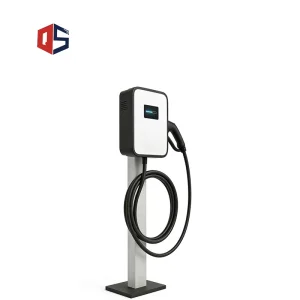
Vernon Charger’s product portfolio includes high-power DC fast chargers, portable charging units, wall-mounted and ground-mounted stations, and flexible group charging solutions. Each product incorporates advanced features such as intelligent power management, real-time monitoring, remote control, and energy optimization, ensuring safe, efficient, and user-friendly operation across multiple scenarios.
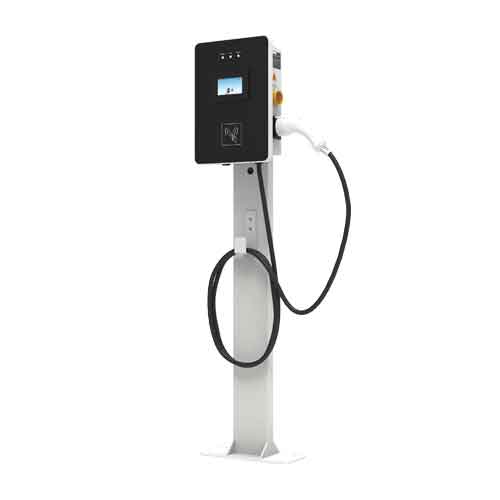
Pioneering intelligence built for microgrid reliability, localized distribution, and remote thermal management.
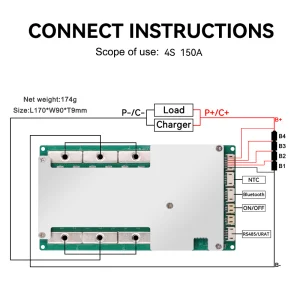
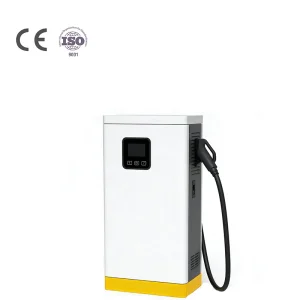
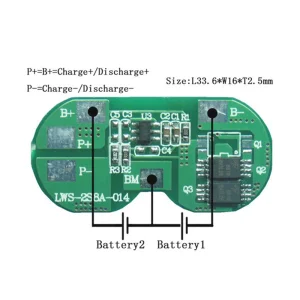
Analyzing the deployment of smart DC grids in South Sudan's Upper Nile economic center.
Malakal, positioned strategically along the White Nile River, acts as a pivotal commercial hub for the Upper Nile region of South Sudan. Historically dependent on centralized heavy diesel generators and localized off-grid configurations, Malakal's energy landscape is undergoing rapid modernization. The industrialization of localized food processing, humanitarian logistics bases, telecommunications networks, and public health water sanitation plants demands high levels of power quality and operational continuity.
In tropical savannah climates where seasonal temperatures consistently exceed 40°C, legacy AC grid structures suffer from extreme line losses and voltage sags. This environment makes Smart DC Load Management Systems critical. By handling power in native DC formats directly from solar photovoltaic (PV) arrays and battery storage systems, commercial installations eliminate the efficiency overhead and failure-prone operations associated with heavy central inverters. Implementing a DC-centric topology reduces fuel consumption, prevents thermal failure in control systems, and stabilizes essential infrastructures across the city.
High-performance engineering deployments for critical infrastructure, agriculture, and municipal services.
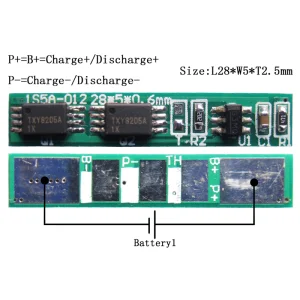
Telecommunications equipment along the Nile requires high reliability. Transitioning base stations to low-voltage DC grids managed by Smart BMS, such as the Lws 2s 8A Smart Li-ion Battery Management System, prevents cells from over-discharging during high-temperature cycles, maximizing base-station battery lifespan.
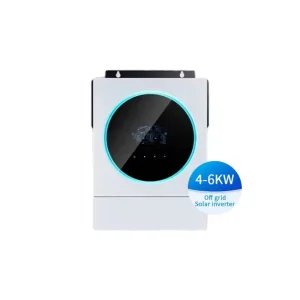
The White Nile is a natural logistics lane. Using ground-mounted high-power DC fast chargers and dual-output load-balancing inverters ensures that logistics boats and emergency vehicles charge rapidly without causing local grid failures or tripping municipal circuit protective devices.
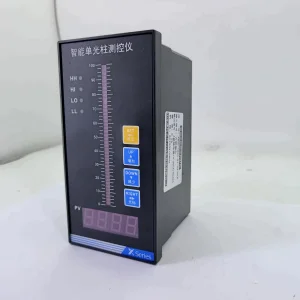
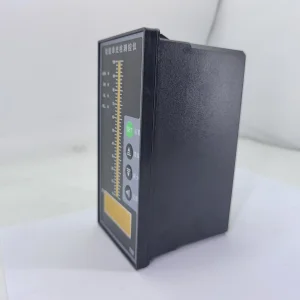
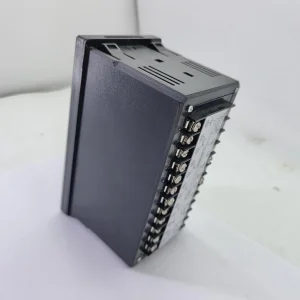
Clean water management requires precise heating, pumping, and chemical dosing controls. By utilizing systems like the Advanced Smart Liquid Level and Temperature Management System, water facilities regulate flow and thermal parameters directly from solar battery storage arrays.
Ensuring continuous performance despite grid instability, high heat, and heavy dust contamination.
A primary challenge of off-grid engineering is managing heavy start-up currents (inrush currents) from induction motors, water pumps, and high-power DC EV charging systems. Vernon Charger's Smart DC Load Management Systems employ proprietary Adaptive Dynamic Load Balancing (ADLB). Instead of hard-shedding non-critical loads, our proprietary algorithm steps down power delivery dynamically based on real-time Battery State of Charge (SOC) and real-time thermal conditions.
| Feature Parameter | Legacy AC Distribution Systems | Vernon Smart DC Load Management System |
|---|---|---|
| Power Conversion Losses | 12% - 18% (Multiple AC/DC conversion stages) | < 3% (Native DC distribution bus architecture) |
| Reaction Response Time | 2.5 seconds (Relay switching latency) | < 50 milliseconds (Solid-state digital shifting) |
| High-Temperature Performance | Significant derating above 35°C | Active thermal scaling up to 55°C operational window |
| Grid Communication Protocols | Basic dry contact relays | Dual-bus CAN, RS485, Modbus RTU, & Bluetooth telemetry |
| BMS Integration | None (Siloed third-party battery systems) | Native integration with LFP LiFePO4 smart management |
Providing high-capacity energy distribution nodes built for global deployment and remote operations.
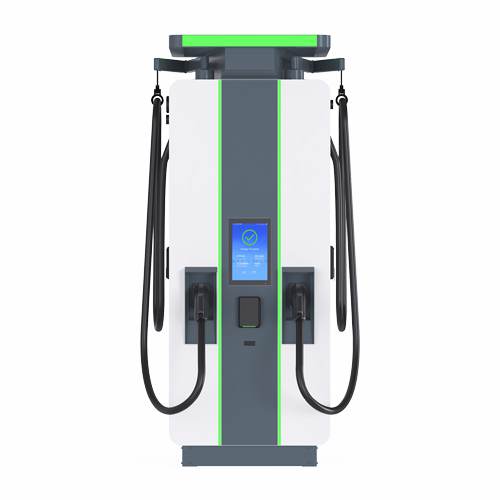
Our company is committed to innovation and sustainability, integrating its DC charging systems with renewable energy sources and smart grid technologies. This enables optimized load balancing, reduced operational costs, and enhanced energy efficiency for fleet operators, public charging networks, and private users alike.
With rigorous adherence to international safety and quality standards, Shenzhen Vernon Charger Co., Ltd. has established itself as a trusted partner in the EV charging and energy storage distribution industry. By providing cutting-edge DC EV charging solutions, the company empowers clients to adopt cleaner transportation, improve operational efficiency, and contribute to a sustainable energy future.
Sourcing directly from China’s leading industrial EV and energy electronics ecosystem.
Selecting the correct global supply partner dictates the feasibility of remote projects in Africa. Working with Shenzhen Vernon Charger Co., Ltd. guarantees access to the dense semiconductor, battery management, and heavy power component manufacturing clusters of Shenzhen, China. This vertical integration reduces the engineering cycle time of customized load panels, dynamic EV chargers, and protection circuit modules.
Every component undergoes automated test screening, high-current load testing, and environmental chamber testing simulating extreme temperature cycles before export.
Established shipping routes to Port Sudan and Mombasa enable reliable multi-modal transport lines directly to the Upper Nile region, including full customs clearance documentation support.
All devices utilize modular internal structures, allowing local technicians to swap spare parts easily with basic tools, reducing system downtime.
Ensuring full regulatory compliance across regions, grids, and demanding conditions.
Modern smart grids demand multi-standard interoperability. Our DC charging systems and smart load management boards are designed and certified to conform to international standards (including CE and IEC testing specifications). This focus on quality guarantees that when modules are integrated with solar components from other global manufacturers, no electrical conflicts or hazardous thermal runaways occur.
Furthermore, we support local partners in Malakal and neighboring East African countries by providing digital commissioning services. Engineers can access real-time system dashboards via RS485-to-Ethernet or satellite telemetry interfaces, facilitating remote diagnosis, configuration adjustments, and firmware updates without requiring on-site visits.
Integrate these certified products to construct a highly resilient DC energy grid.

Ensuring long-term compatibility with upcoming energy storage chemistries and smart grids.
As energy generation transitions globally towards solar and dynamic storage, smart load management systems must adapt. Future installations in Malakal must plan for the integration of solid-state batteries and sodium-ion cells, which operate under different voltage curves than standard LiFePO4 batteries.
Vernon Charger’s hardware is designed with this in mind, incorporating programmable microcontrollers capable of field upgrades to run new firmware profiles. By deploying systems with built-in RS485 and CAN-bus protocol options, operators ensure their systems can adapt to future advancements, preventing obsolescence as grid technologies evolve.
Addressing key deployment, operational, and maintenance questions for systems in remote environments.
Get in touch with our engineering team for customized load calculations and system designs.
 Vernon Charger